
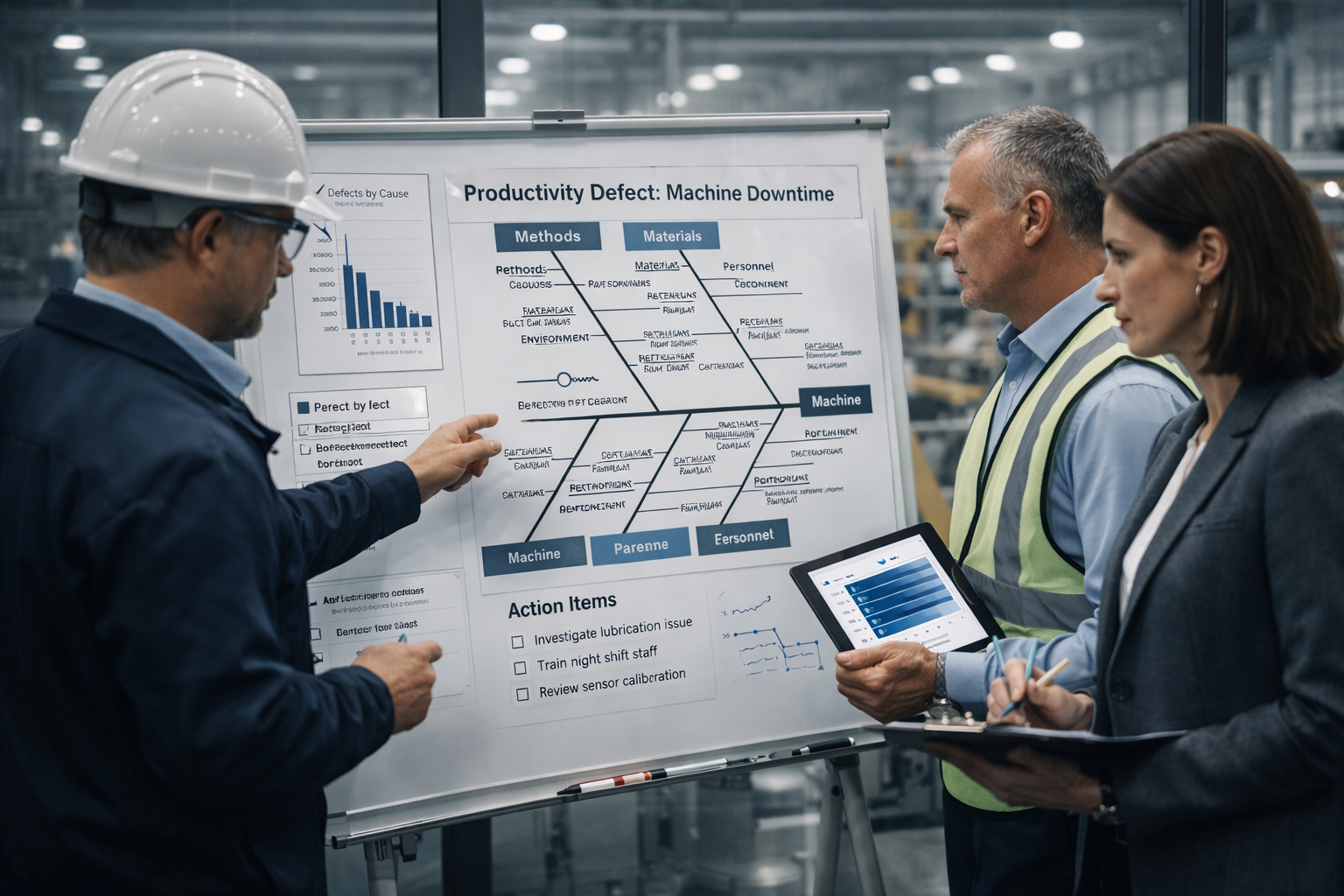

For Operations Leaders, COOs and Plant Directors
Building Leadership Systems
That Perform Under Pressure
We help operational leadership teams — supported by HR and Continuous Improvement functions — build structured leadership systems that deliver faster decisions, clear ownership, and predictable operational performance.
- Predictable operational performance
- Faster decisions
- Clear ownership
- Aligned leadership teams
Why Operational Performance Becomes Volatile
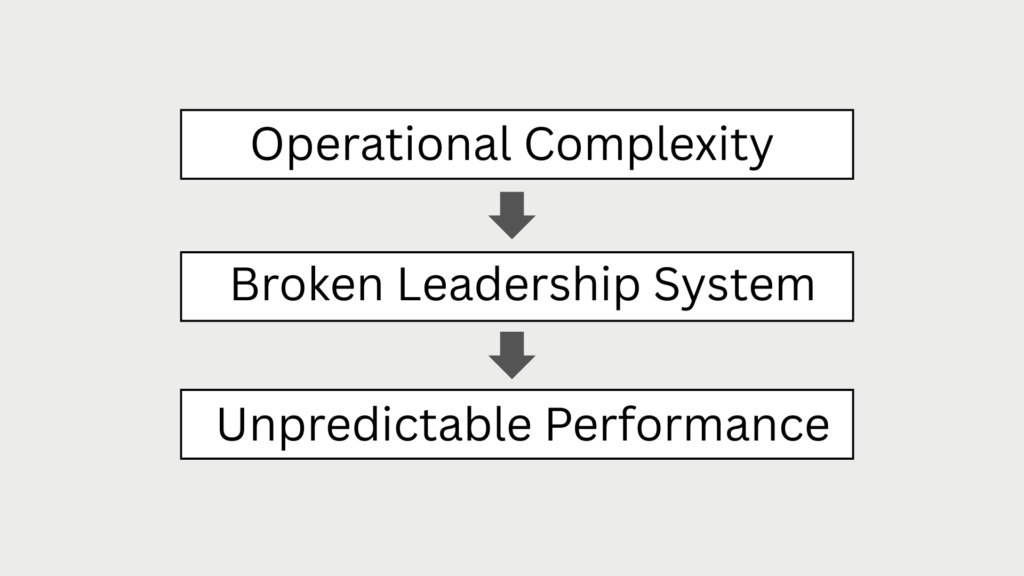
In complex operational environments, performance rarely fails because of machines or processes.
It fails when leadership systems break under pressure.
- Slow and fragmented decisions
- Unclear cross-functional ownership
- Leadership teams operating in silos
- Too many meetings, too little execution
Operational Performance Is a Leadership System Outcome
Most organizations try to improve results through new tools,
additional KPIs or process improvements.
However, sustainable operational performance depends on how
leadership teams actually operate.
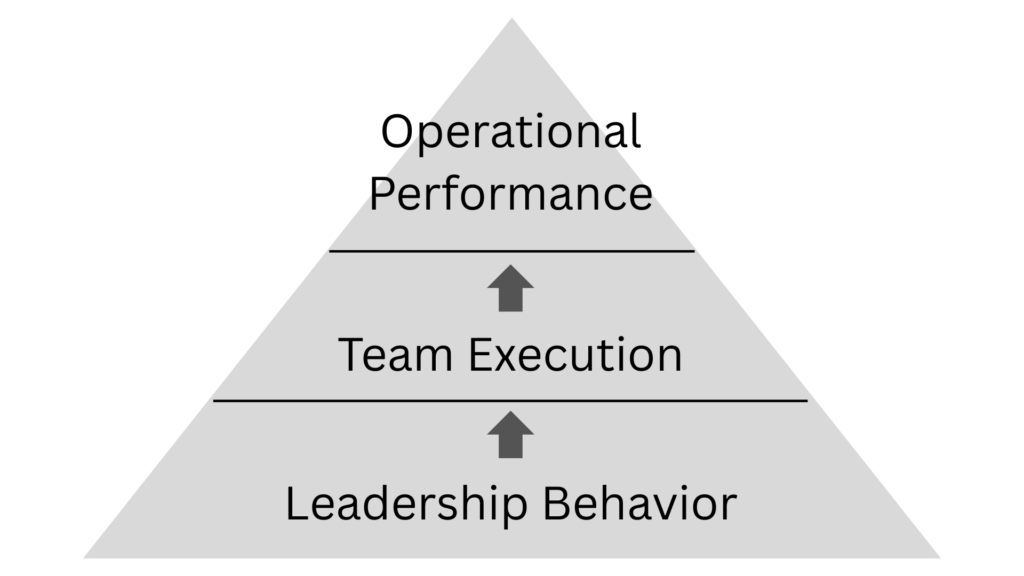
- Leadership behavior shapes team priorities
- Teams execute effectively when roles are clear
- Operational performance comes from disciplined execution
- Tools and KPIs alone don’t ensure results
THREE FOUNDATIONS OF PREDICTABLE EXECUTION
How leadership, teams and operations deliver results
- Build Autonomy
- Enable Performance
- Drive Results
PILLAR 1
TEAM HABITS: High-Performing Teams rely on shared principles, disciplined behaviors and strong collaboration.
8 Key Principles of High-Performing Teams:
- Trust & Clarity
- Initiative & Synergy
- Priorities & Empathy
- Development & Endurance
PILLAR 2
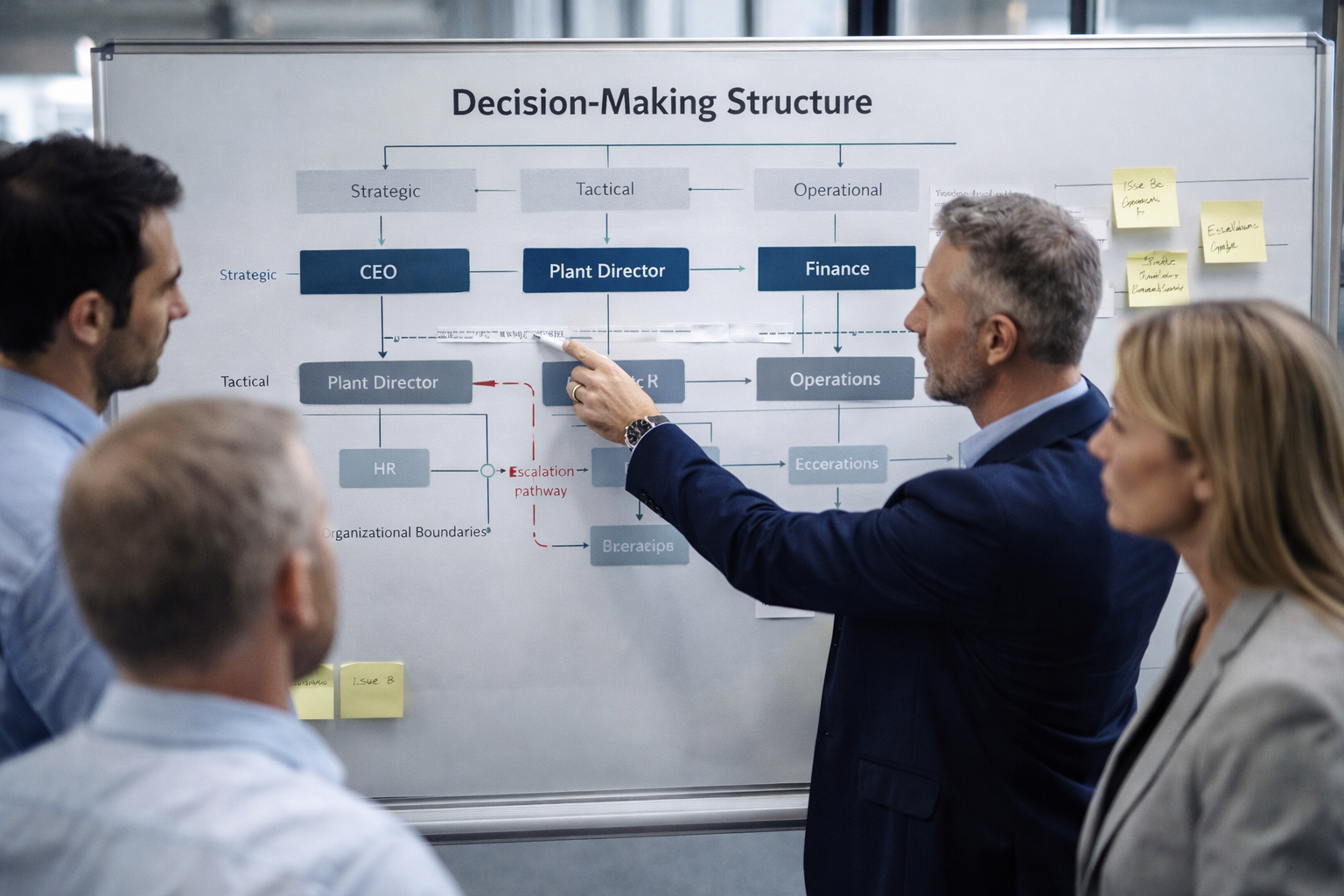
LEADERSHIP STRUCTURE: Leadership creates clarity through target cascades, strategy deployment and effective governance.
4 Effective Leadership Roles – Role-Model, Visionary, Coordinator, Coach:
- Psychological Safety & Influence
- Strategy & Direction
- Execution & Governance
- Development & Support
PILLAR 3
OPERATIONAL EXCELLENCE: Execution discipline, standardization, and continuous improvement turn alignment into measurable performance.
Continuous Improvement Tools:
- Problem Solving
- Standardization
- LEAN & Six Sigma
- Total Performance Management (TPM, WCM)
What changes when Leadership Systems work
Transforming leadership systems drives faster decisions, clear ownership, and operational stability.
BEFORE
- Slow decisions
- Siloed leadership teams
- Unclear ownership
- Reactive operations
AFTER
- 30–50% faster decision cycles
- Clear cross-functional ownership
- Aligned leadership teams
- Stable operational rhythm
Operational improvements up to +15% OEE
Leadership System Transformation
A step-by-step approach to building predictable operational performance
PHASE 1
-
INSIGHT
DIAGNOSTIC
Assess leadership, team, and operational excellence usage → identify gaps and improvement opportunities
PHASE 2
- HIGH-PERFORMING TEAM HABITS
Apply disciplined behaviors to build compact, autonomous, accountable teams → teams execute reliably under pressure
PHASE 3
- LEADERSHIP STRUCTURE
Create leadership environment with clear governance and direction → faster decisions and aligned priorities
PHASE 4
- OPERATIONAL EXCELLENCE
Apply continuous improvement tools to tackle losses → measurable operational performance gains
OPERATIONAL LEADERSHIP EXPERIENCE — NOT THEORY
Built from decades leading complex manufacturing operations.
Education
Industrial Engineering & Management
Leadership roles in global manufacturing organizations including:
1. Head of Operational Excellence & Training (Lonza)
2. Site Director (Grünenthal)
3. Factory Manager (Coca-Cola)
4. Production Manager (Nestlé)
5. Market Focused Improvement Pillarleader (Nestlé)
6. Industrial Performance Specialist (Nestlé)
Additional Credentials
Master Black Belt — Lean Six Sigma
Author of 4 Leadership Books
190,000+ Followers
WORKSHOPS & PROGRAMS CONDUCTED FOR
OVER 2.000 PEOPLE
Workshops
Program Implementation
Coaching
Keynote Speeches
TESTIMONIALS